Editorial Picks
10 Must-Visit Museums in Seoul
A countrywide editorial pick of ten Seoul museums — national-heritage flagships, contemporary art landmarks, architectural-icon destinations, and free municipal collections — framed for the family-travelling international patient building cultural-tourism days into a Korean regenerative-dermatology trip.
The international visitor guide to Seoul's museum landscape defaults, in the overwhelming majority of cases, to a single institution — typically the National Museum of Korea — and treats the rest of the city's museum infrastructure as an afterthought. The default is defensible at the convenience level; the National Museum of Korea is genuinely the country's flagship cultural institution and a defensible single-museum visit for travellers with limited time. The default fails, however, at the planning level, because the family-travelling international patient I write for is increasingly building Korean medical-tourism itineraries that include two to four cultural-tourism days alongside the clinical-treatment days, and those cultural days benefit materially from a curated museum guide framed across the whole city rather than around one institution. This page reads ten Seoul museums across four useful planning categories: national-heritage flagships covering ancient Korea through the modern period, contemporary art landmarks anchoring Seoul's gallery scene, architectural-icon buildings worth visiting on the strength of the building itself, and free municipal collections that pair naturally with palace or central-Seoul walking tours. All ten entries have been verified against current Korea Tourism Organization, Visit Seoul, and operator-direct listings. Admission prices are stated in KRW with USD conversions for international planning use, and operational hours reflect mid-2026 status. The editorial position is descriptive rather than ranked; the order below is alphabetical within the featured set, and the right combination for any given trip depends on the cultural-tourism days available, the family-group composition, and the architectural-and-collection priorities each reader brings to Seoul.
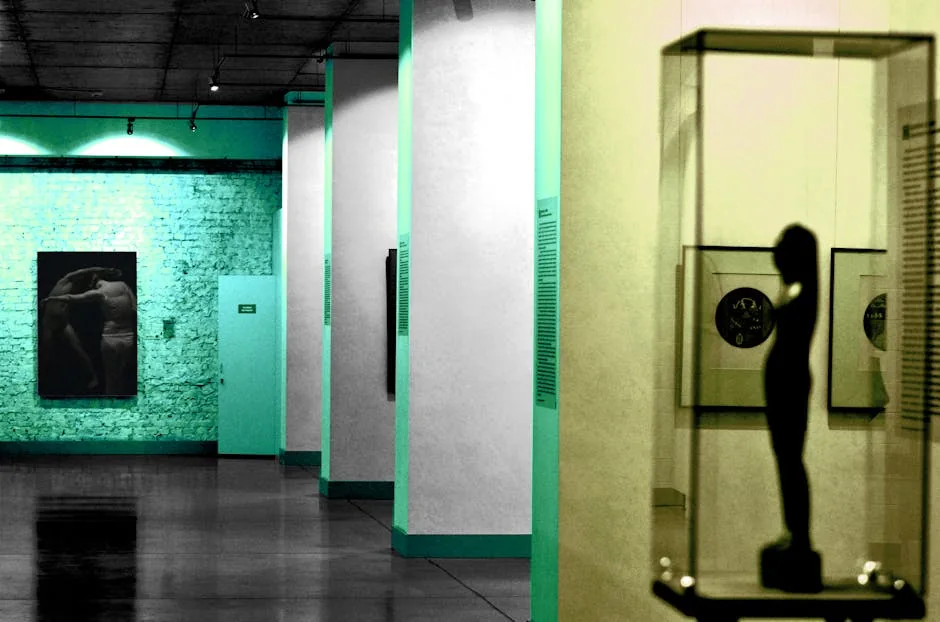
Featured A — Amorepacific Museum of Art (APMA, Yongsan)
The Amorepacific Museum of Art occupies the David Chipperfield-designed Amorepacific headquarters at 100 Hangang-daero, Yongsan-gu, and reads as one of the most thoughtfully curated contemporary art museums in central Seoul. The Chipperfield building itself — a restrained white-cube cube with a central atrium and rooftop garden — is worth the visit independent of the rotating exhibition programme, and the architectural press has covered the structure extensively since its 2018 opening. Admission runs KRW 8,000 to 18,000 depending on the active exhibition (approximately USD 6 to USD 14); operating hours are 10:00 to 18:00, closed Mondays. The collection rotates between contemporary international artists and Korean tradition-and-craft programmes, with the curation register sitting closer to the international biennial circuit than to the regional-survey format common in municipal museums. Language support is Korean and English. For the family-travelling reader with one cultural-tourism day in central Seoul and an architectural-or-contemporary-art priority, APMA is the highest-density single-visit option in the Yongsan rising-art-district cluster. The museum pairs naturally with a Hangang riverside walk or with a Yongsan-anchored medical-tourism itinerary day. Source: Architectural Review, APMA official site.
Featured B — Arario Museum in Space (Ikseondong, Jongno)
Arario Museum in Space occupies the heritage SPACE Group building at 83 Yulgok-ro, Jongno-gu — one of the defining works of modern Korean architecture, designed by Kim Swoo-geun and completed across the 1970s and 1980s. The museum reads, in equal measure, as a contemporary art destination and as an architectural-heritage visit; the building's stepped brick volumes and intimate interior rooms are themselves a primary reason to visit, regardless of the active exhibition. The collection is drawn from the Arario Group's contemporary art holdings, with a programmatic emphasis on Korean and Asian contemporary artists rather than on the Western canon. Admission runs KRW 12,000 (approximately USD 9); operating hours are 10:00 to 19:00, closed Mondays. The Ikseondong / Jongno neighbourhood — narrow alleys, hanok cafes, and the Jongmyo Shrine area within a 10-minute walk — provides one of the most cohesive cultural-tourism day-walking corridors in central Seoul. For travellers anchored in Myeongdong or central Jung-gu, Arario in Space is reachable on subway Line 3 in 15 minutes, and the visit pairs naturally with a Bukchon Hanok Village afternoon or a Jongmyo morning. Source: Arario Museum official site, Time Out Seoul.
Featured C — Dongdaemun Design Plaza (DDP, Jung-gu)
Dongdaemun Design Plaza is the Zaha Hadid-designed neofuturistic complex at 281 Eulji-ro, Jung-gu, and reads as the most architecturally distinctive single building in Seoul's museum-and-exhibition landscape. The structure — parametric, silver-clad, with sweeping curved volumes that have no straight edges — opened in 2014 and remains, more than a decade later, the city's primary international-press-recognised architectural landmark for the contemporary era. The DDP houses multiple exhibition halls, a design museum, a hammock-equipped outdoor LED rose garden, and rotating major design-and-fashion exhibitions. General entry is free; ticketed exhibitions vary, typically running KRW 10,000 to 25,000 (approximately USD 7 to USD 19). Operating hours are 10:00 to 19:00 daily, with individual exhibition halls varying. Language support is Korean, English, Japanese, and Mandarin signage. For the family-travelling reader anchored in Myeongdong or central Jung-gu, DDP is reachable on foot in 20 minutes or by subway in 10 minutes, and the visit pairs naturally with a Dongdaemun shopping evening or with the Cheonggyecheon-stream walking route. The building itself is the primary reason to visit; the rotating exhibitions are the secondary one. Source: DDP official site, VisitKorea.
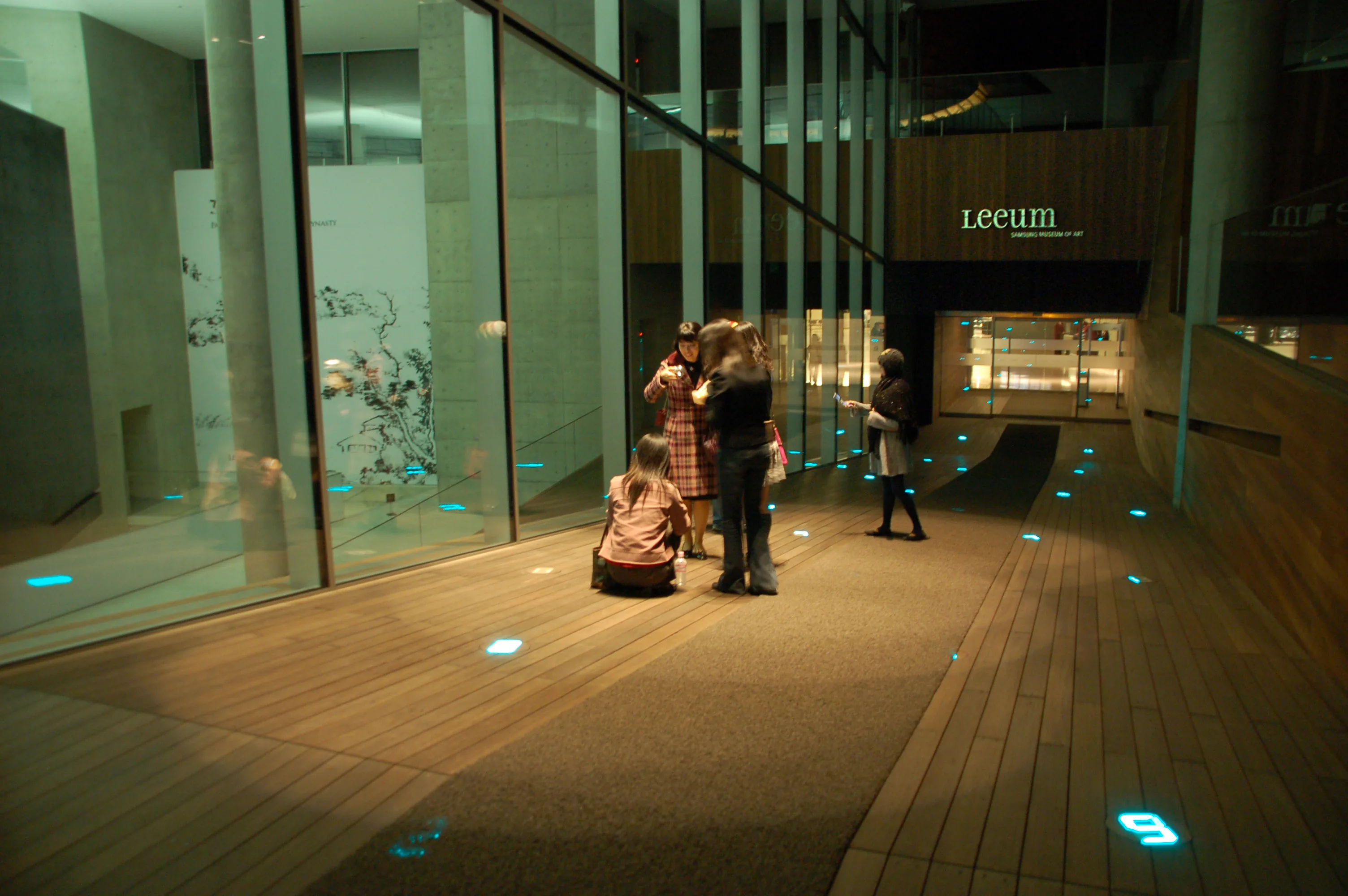
Featured D — Leeum Museum of Art (Samsung Foundation, Hannam-Yongsan)
The Leeum Museum of Art at 60-16 Itaewon-ro 55-gil, Yongsan-gu, in the Hannam-dong cluster, is the Samsung Foundation's flagship art museum and one of the most internationally recognised contemporary-and-traditional-art destinations in Korea. The building itself is a tri-architect collaboration — Mario Botta, Jean Nouvel, and Rem Koolhaas each designed one of the three primary structures — and is widely regarded as one of the most significant museum architecture commissions of the early 2000s. The permanent collection covers Korean traditional art (ceramics, paintings, manuscripts from the Goryeo and Joseon periods) and global contemporary art at a level matched in Korea only by the National Museum of Korea and the MMCA. Permanent-collection admission is free with online reservation; special exhibitions run KRW 18,000 to 20,000 (approximately USD 14 to USD 15). Operating hours are 10:00 to 18:00, closed Mondays. Language support is Korean, English, Mandarin, and Japanese audio guides. For the family-travelling reader with a serious-art-or-architecture priority, Leeum is the single most-recommended Seoul museum visit, and the trip pairs naturally with a Hannam-dong dining evening or with a contemporary-art-gallery walking afternoon. Source: Leeum official site, Travel and Leisure Asia, Tatler Asia.
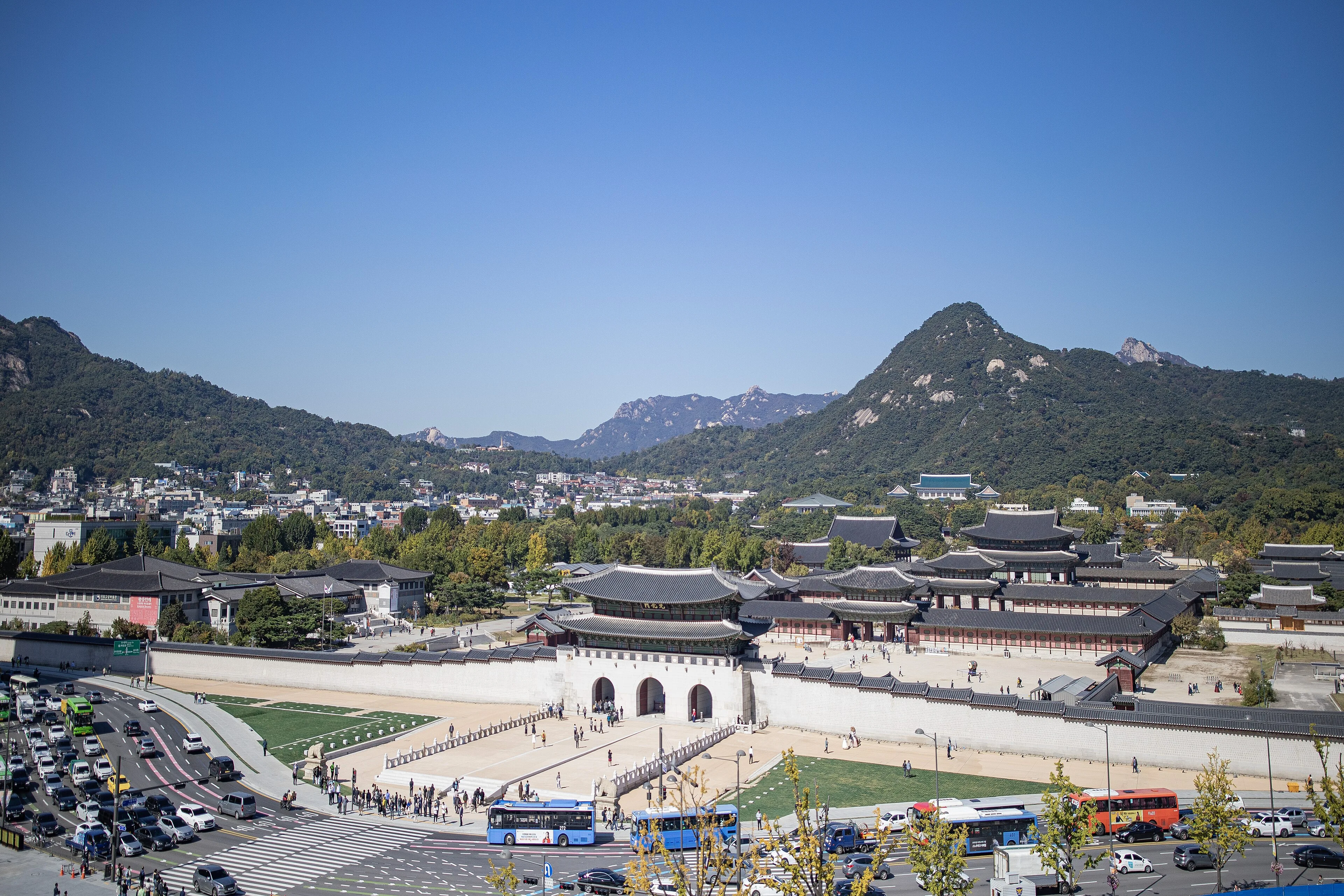
Featured E — National Folk Museum of Korea (inside Gyeongbokgung)
The National Folk Museum of Korea occupies a dedicated building at 37 Samcheong-ro, Jongno-gu, on the grounds of Gyeongbokgung Palace. The collection is the country's most comprehensive single archive of traditional Korean material culture — household objects, agricultural tools, ritual items, costume, folklore exhibits — and reads as the deepest single-visit primer for travellers interested in pre-modern Korean daily life. Admission is free, which is unusual for a national-museum-grade collection at this scale and is one of the reasons the Folk Museum sits alongside the National Museum of Korea on most serious cultural-tourism itineraries. Operating hours run 09:00 to 18:00 in winter and 09:00 to 19:00 in summer, closed New Year's Day. Language support is Korean, English, Mandarin, and Japanese audio guides. The Gyeongbokgung-grounds location means the Folk Museum pairs almost automatically with a palace visit; the family-travelling reader with one Jongno cultural-day typically combines Gyeongbokgung, the Folk Museum, and the Folk Museum's outdoor traditional-village reconstruction into a single three-to-four-hour morning. The visit is particularly recommended for multi-generational family groups, where the material-culture format reads accessibly across age ranges. Source: National Folk Museum official site, VisitKorea.
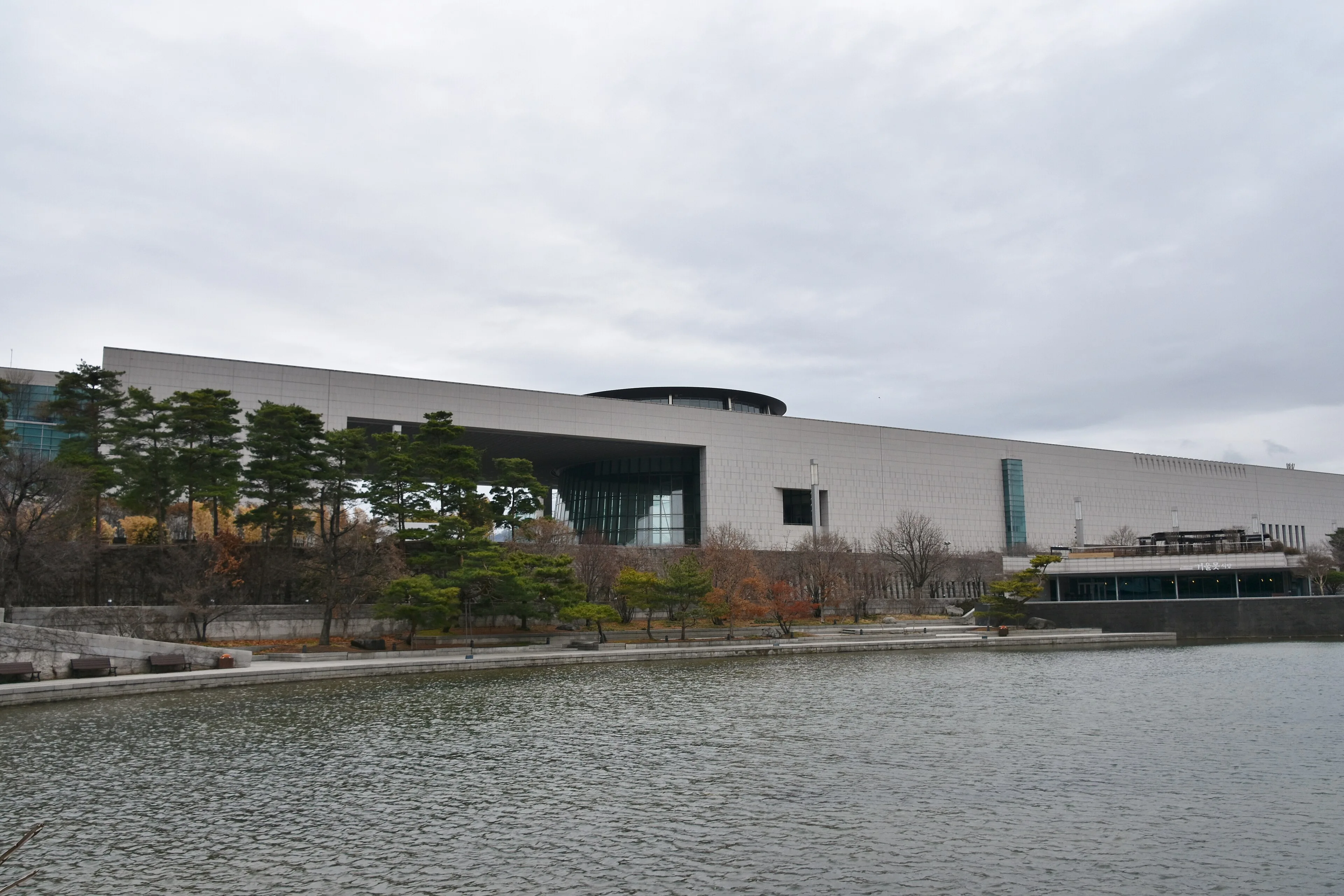
Featured F — National Museum of Korea (Yongsan, the country flagship)
The National Museum of Korea at 137 Seobinggo-ro, Yongsan-gu, is the country's flagship cultural institution and the largest museum in Korea — more than 410,000 artefacts spanning Korean prehistory through the early twentieth century. The single most internationally celebrated room is the Pensive Bodhisattva gallery, which houses the seventh-century gilt-bronze National Treasures regarded as among the finest surviving examples of East Asian Buddhist sculpture. Permanent-collection admission is free, which is unusual for a national flagship at this scale; ticketed special exhibitions vary. Operating hours run 10:00 to 18:00 on standard days and to 21:00 on Wednesdays and Saturdays, closed New Year's Day and the Lunar and Korean Thanksgiving holidays. Language support is the most comprehensive in this guide: Korean, English, Japanese, and Mandarin audio guides plus English-language docent tours on a scheduled basis. The building itself sits in Yongsan Family Park, which functions as a substantial green-space buffer between the museum and the surrounding urban density — the walking approach from Ichon Station on Line 4 takes 10 to 15 minutes and reads as a transition into a more contemplative pace than central Seoul typically allows. For travellers with one serious museum day in Seoul, the National Museum of Korea is the single most-recommended choice. Source: National Museum of Korea official site, VisitKorea.
Featured G — National Museum of Modern and Contemporary Art (MMCA Seoul, Samcheong)
MMCA Seoul at 30 Samcheong-ro, Jongno-gu, is the flagship Seoul branch of the National Museum of Modern and Contemporary Art network and the most influential single institution in Seoul's contemporary art landscape. The building occupies the former Defense Security Command site adjacent to Gyeongbokgung Palace — a redevelopment that took most of the 2010s to complete — and the integration of the new museum architecture with the heritage red-brick structures on the site reads as one of the more thoughtful recent civic-architecture commissions in Seoul. The exhibition programme rotates aggressively, with the curatorial register sitting at the international-biennial level rather than at the regional-survey one. Admission runs KRW 4,000 to 7,000 (approximately USD 3 to USD 5) — among the lowest entry prices for a flagship-tier contemporary-art museum in the major East Asian capitals. Operating hours run 10:00 to 18:00 with extended hours to 21:00 on Wednesdays and Saturdays, closed Mondays. Language support is Korean, English, Japanese, and Mandarin. For travellers anchored in Myeongdong or central Jung-gu, MMCA Seoul is a 15-minute subway ride to Anguk Station on Line 3 followed by a 10-minute walk, and the visit pairs almost automatically with Gyeongbokgung or with the Samcheong-dong art-district afternoon. Source: MMCA official site, English Seoul tourism portal.
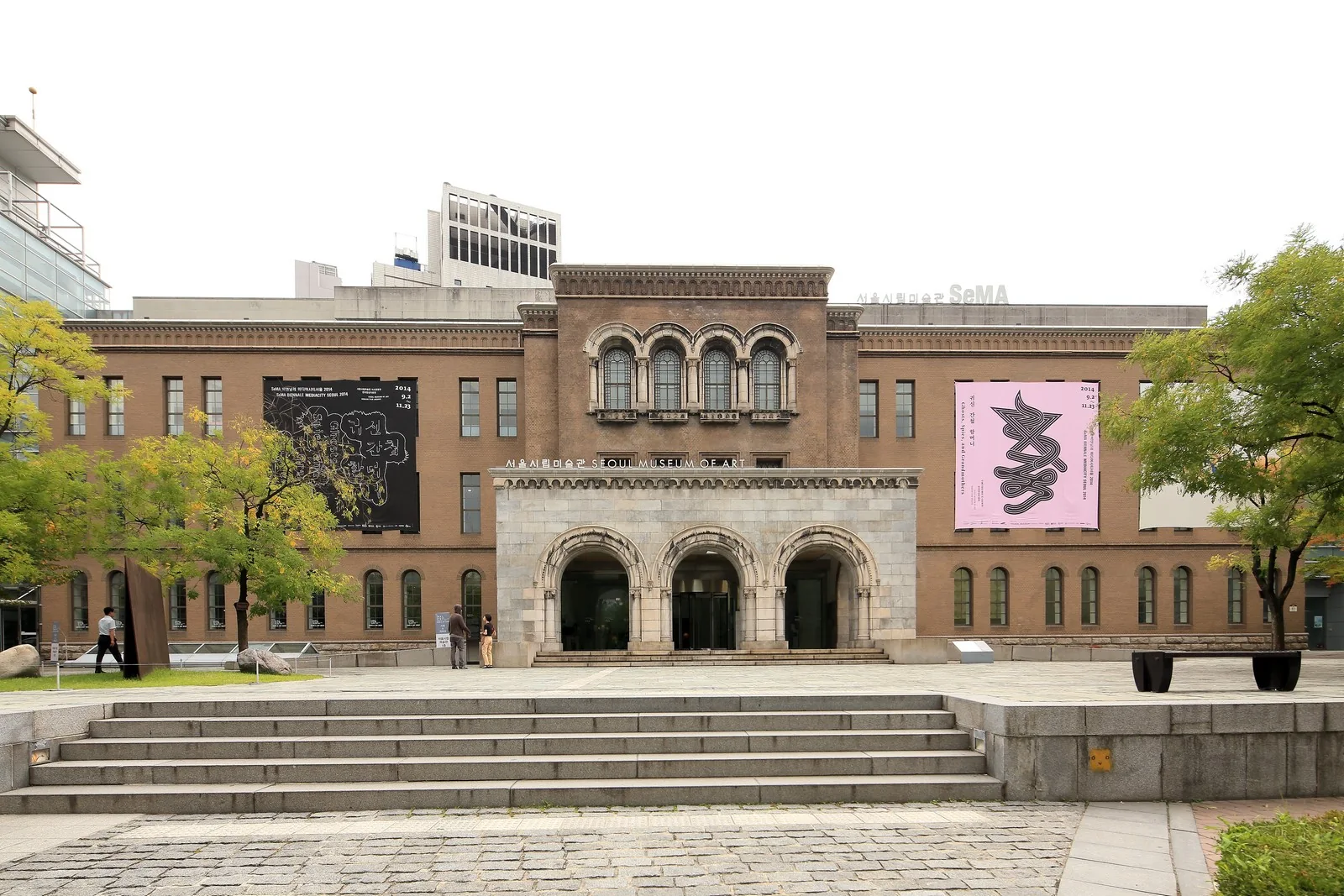
Featured H — Seoul Museum of Art (SeMA Seosomun, Jung-gu)
The Seoul Museum of Art's main building at 61 Deoksugung-gil, Jung-gu, is operated by the Seoul Metropolitan Government and occupies a restored former Supreme Court building immediately behind Deoksugung Palace. The collection is the city's flagship contemporary art holding and rotates through Seoul-anchored exhibitions emphasising Korean contemporary artists, with periodic international special exhibitions. Permanent-collection admission is free; special exhibitions vary, typically KRW 5,000 to 15,000 (approximately USD 4 to USD 11). Operating hours run 10:00 to 20:00 on weekdays, 10:00 to 19:00 on weekends, closed Mondays. The Deoksugung-adjacent location is one of the most architecturally consistent corridors in central Seoul — the museum building, the palace, the former Russian Legation tower, the Seoul Plaza ice rink in winter — and the cluster reads as a coherent half-day walking itinerary in its own right. Language support is Korean, English, Mandarin, and Japanese signage. For the family-travelling reader anchored in Myeongdong, SeMA Seosomun is a 10-minute walk and pairs naturally with a Deoksugung palace visit, a Jeong-dong walking route, or a City Hall area lunch. The free admission and central location make SeMA the most accessible contemporary-art visit in this guide. Source: SeMA official site, English Seoul tourism portal.
Featured I — Seoul Museum of History (Sinmunno, Jongno)
The Seoul Museum of History at 55 Saemunan-ro, Jongno-gu, is the municipal museum chronicling the city's evolution from Joseon-period Hanyang through the colonial and post-war decades to contemporary Seoul. The collection is more accessible and orientation-focused than the National Museum of Korea — the format is less encyclopedic and more narrative, with strong use of dioramas, period reconstructions, and oral-history audio installations. Admission is free. Operating hours run 09:00 to 18:00 on weekdays, 09:00 to 19:00 on weekends, closed Mondays. Language support is Korean, English, Japanese, and Mandarin signage and pamphlets. The Gwanghwamun-adjacent location places the museum at one of the highest walking-density cultural-tourism nodes in central Seoul; the visit pairs naturally with a Gwanghwamun-square afternoon, a Cheonggyecheon-stream walk, or a Gyeongbokgung morning. For travellers with limited time who want a single accessible orientation to Seoul as a city, this is the most-recommended starting point — the museum functions as an introduction the rest of the cultural-tourism days then build on. Source: Seoul Museum of History official site, Visit Seoul.
Featured J — War Memorial of Korea (Yongsan, Korean War history)
The War Memorial of Korea at 29 Itaewon-ro, Yongsan-gu, is the country's largest single war-history museum, covering Korean military history from ancient periods through to the Korean War and the post-armistice decades. The exhibition footprint is unusually large — the building's main galleries occupy multiple floors with detailed Korean War coverage, and the outdoor grounds display retired Korean and allied military hardware including aircraft, naval vessels, and armoured vehicles. Admission is free, which is unusual for a museum at this scale and is one of the reasons the War Memorial sits on most serious Seoul cultural-tourism itineraries. Operating hours run 09:30 to 18:00, closed Mondays. Language support is Korean, English, Japanese, and Mandarin audio guides. The Yongsan location places the War Memorial near both Leeum and the National Museum of Korea, which means a travellers with a single Yongsan cultural-day can combine two or three of these institutions; the editorial recommendation is the War Memorial in the morning followed by Leeum in the afternoon, with the National Museum of Korea reserved for a separate dedicated day. The Korean War coverage is sensitively presented and reads as one of the more thoughtful single-conflict museum exhibits in East Asia. Source: War Memorial of Korea official site, VisitKorea.
Seoul museum category map — how to read the ten entries against your trip
The ten entries above sit across four useful planning categories. National-heritage flagships covering Korea's pre-modern through modern periods: National Museum of Korea (the country flagship), National Folk Museum of Korea (traditional material culture), Seoul Museum of History (Seoul-city orientation), War Memorial of Korea (Korean military history). Contemporary art landmarks anchoring Seoul's gallery scene: Leeum Museum of Art (Samsung Foundation, the single most-recommended contemporary destination), MMCA Seoul (the national contemporary-art flagship), Seoul Museum of Art (the municipal contemporary collection), Amorepacific Museum of Art (Chipperfield architecture plus rotating contemporary). Architectural-icon buildings worth visiting on the strength of the building itself: Dongdaemun Design Plaza (Zaha Hadid), Arario Museum in Space (Kim Swoo-geun's SPACE Group heritage building), the Leeum tri-architect site, and the Amorepacific Chipperfield headquarters. Free municipal collections that pair with palace walking tours: Seoul Museum of History, Seoul Museum of Art, National Folk Museum of Korea, the War Memorial of Korea — four of the ten entries are free admission, which is unusually generous by major East Asian capital standards. The family-travelling reader should typically build one national-heritage flagship, one contemporary art landmark, and one architectural-icon visit into a three-day cultural-tourism block. Single-day visitors should prioritise the National Museum of Korea or Leeum depending on the heritage-versus-contemporary balance their group prefers.
Admission and pricing geography across the ten entries
Admission pricing across the ten entries reflects three tiers. Free admission: National Museum of Korea (permanent collection), National Folk Museum of Korea, Seoul Museum of History, Seoul Museum of Art (permanent collection), War Memorial of Korea, Leeum Museum of Art (permanent collection with online reservation), Dongdaemun Design Plaza (general entry; ticketed exhibitions vary). Low-cost mid-tier admission: MMCA Seoul (KRW 4,000 to 7,000, approximately USD 3 to USD 5), Amorepacific Museum of Art (KRW 8,000 to 18,000, approximately USD 6 to USD 14), Arario Museum in Space (KRW 12,000, approximately USD 9). Special-exhibition pricing across the ten entries typically runs KRW 15,000 to 25,000 (USD 11 to USD 19); the Leeum special-exhibition tier at KRW 18,000 to 20,000 is the most expensive among the ten when an active special exhibition is running. The pricing geography is unusually favourable by international peer-city standards — comparable Tokyo flagship museums typically run JPY 1,000 to 2,500 (USD 7 to USD 17) for permanent collections, and London or New York peer institutions run substantially higher with mandatory donations. The editorial position on Seoul museum pricing is that the family-travelling reader can build a serious five-museum week with total admission costs under USD 50, which is materially lower than the equivalent itinerary in any other major East Asian capital.
Reservation and logistics across the ten entries
Reservation logistics across the ten entries fall into three patterns. Online reservation strongly recommended: Leeum Museum of Art (permanent-collection slots book out 7 to 14 days in advance during peak tourism seasons), MMCA Seoul during major special exhibitions, Amorepacific Museum of Art for ticketed exhibitions. Walk-in viable with no reservation: National Museum of Korea, National Folk Museum of Korea, Seoul Museum of History, Seoul Museum of Art (permanent collection), War Memorial of Korea, Dongdaemun Design Plaza (general entry), Arario Museum in Space. The Korea Tourism Organization and Visit Seoul official websites maintain English-language portals for advance ticketing where available, and the major free-admission museums typically have walk-in capacity that does not require advance planning. The family-travelling reader should lock the Leeum reservation 7 to 14 days ahead, and treat the rest of the museum schedule as flexible day-of choices. For multi-generational family groups, the editorial recommendation is to anchor each cultural-tourism day on one major museum visit (two to three hours) and pair it with palace, Hanok-village, or riverside walking time rather than trying to chain three museums into a single day — the visit-density reads better at one-museum-per-day pacing.
“Seoul's museum landscape is unusually generous at the admission level — four of the ten entries are free — and unusually rich at the architecture level; the planning question is not which single museum to visit but which combination matches the family-tourism trip length you actually have.”
Frequently asked questions
Which of these ten Seoul museums is the single most-recommended visit for a first Korean trip?
The National Museum of Korea in Yongsan is the most consistently recommended single-museum visit for a first Korean trip — the collection covers prehistory through the early twentieth century, permanent-collection admission is free, and the Pensive Bodhisattva gallery alone justifies the visit. For travellers prioritising contemporary art and architecture over heritage, Leeum Museum of Art in Hannam-dong is the alternative first-trip recommendation. Both are in Yongsan-gu within a 15-minute subway ride of each other.
How many museums should the family-travelling reader fit into a week-long Seoul trip?
Three to five museum visits across a week-long Seoul trip is the realistic upper bound for family-travelling readers, with one museum per cultural-tourism day rather than chaining multiple into a single day. The editorial recommendation is to combine one national-heritage flagship (National Museum of Korea or Folk Museum), one contemporary art landmark (Leeum or MMCA), and one architectural-icon visit (DDP or Arario in Space) across three separate days, leaving the other cultural-tourism days for palaces, hanok villages, and walking-corridor neighbourhoods.
How accessible is Seoul's museum infrastructure for international visitors with limited Korean-language ability?
Seoul's flagship museums maintain high-quality multilingual support: the National Museum of Korea, MMCA Seoul, Leeum, the War Memorial of Korea, the National Folk Museum, and Seoul Museum of History all offer Korean, English, Japanese, and Mandarin audio guides or detailed multilingual signage. The municipal museums (SeMA, Seoul Museum of History) and Dongdaemun Design Plaza maintain English signage as the operational standard. The smaller contemporary venues (Arario in Space, Amorepacific Museum of Art) offer English support but at a lighter density. The friction-free experience for English-only visitors is reliably high across the ten entries above.
Which entries are the most architecturally significant as buildings independent of their collections?
Four entries are themselves primary reasons to visit. Dongdaemun Design Plaza (Zaha Hadid, 2014) is the most internationally recognised contemporary architectural landmark. Leeum Museum of Art (Mario Botta plus Jean Nouvel plus Rem Koolhaas, 2004) is a tri-architect collaboration regarded as a major museum-architecture commission. Arario Museum in Space occupies Kim Swoo-geun's SPACE Group building, a defining work of modern Korean architecture. Amorepacific Museum of Art occupies David Chipperfield's Amorepacific headquarters, opened 2018. Architecturally-focused visitors can plan a Seoul trip around these four sites alone.
Are any of these museums located near major Seoul medical-tourism clinic clusters?
Yes. The Yongsan cluster — National Museum of Korea, Leeum Museum of Art, War Memorial of Korea, Amorepacific Museum of Art — sits adjacent to the Hannam-dong and Itaewon medical-tourism logistics corridor. The Jongno cluster — MMCA Seoul, National Folk Museum, Seoul Museum of History, Arario in Space — sits adjacent to the central Seoul tourism and palace district that international medical travellers commonly walk during recovery days. The Jung-gu cluster — Seoul Museum of Art and DDP — sits in the central commercial and shopping district. The family-travelling reader's clinic-day and museum-day plans can typically integrate at the neighbourhood level without long cross-city transfers.
What is the editorial position on visiting museums during the active-treatment days of a regenerative-dermatology IV course?
Cultural-tourism days fit naturally into the recovery and follow-up window of a Korean regenerative-dermatology trip rather than into the active-treatment days. The IV course itself, the microneedling session, and the immediate 24-hour post-treatment window typically warrant rest and low-stimulation environments rather than full museum days. The editorial recommendation is to cluster museum visits in the latter half of the trip — days four through seven of a five-to-seven-day Seoul-anchored regenerative plan — when the topical-aftercare protocol is the dominant clinical activity and the patient is comfortable with extended walking and standing time. The senior physician administering the treatment should be consulted on day-by-day activity intensity.
Are any of these ten museums particularly recommended for multi-generational family groups?
The National Folk Museum of Korea, the Seoul Museum of History, and the War Memorial of Korea read most accessibly across age ranges — the format combines material-culture displays, period reconstructions, and narrative dioramas that work for children, adolescents, and older family members at the same density. The National Museum of Korea is also strong for multi-generational visits, particularly the Pensive Bodhisattva gallery and the outdoor pagoda garden. The contemporary art venues (Leeum, MMCA, SeMA, APMA) tend to read better for adult-only groups; younger family members may engage less consistently with the rotating-exhibition format.
Where can the family-travelling reader find more on Korean regenerative dermatology and itinerary context that pairs with this Seoul museum guide?
Korea Stem Cell publishes editorial coverage of Korean regenerative-dermatology clinics and supplier landscape at the country level. For the family-tourism planning frame including multi-city itineraries and recovery-day pacing, see <a href="/family-medical-tourism-stem-cell/">family medical-tourism stem cell planning</a>. For the pricing geography, see <a href="/stem-cell-pricing-korea-by-tier/">Korea stem cell pricing by tier</a>. For multi-day aftercare scheduling that integrates cultural-tourism days, see <a href="/stem-cell-korea-aftercare-multi-day/">Korea aftercare multi-day plans</a>. For the multi-city framing, see <a href="/stem-cell-korea-cities-compared/">Korea cities compared</a>.