
Editorial Picks
7 K-Pop Entertainment HQ Tours Fans Should Plan in Seoul
A countrywide editorial pick of seven Seoul K-pop fan destinations — major label headquarters, the Apgujeong outdoor sculpture trail, and the BT21 retail flagship — framed for the family-travelling international patient building fan-tourism days into a Korean regenerative-dermatology trip.
The international fan-tourism guide to Seoul's K-pop landscape defaults, in the overwhelming majority of cases, to one or two label buildings — usually HYBE in Yongsan, occasionally the old SM building in Gangnam — and treats the rest of the city's K-pop infrastructure as scattered footnotes. The default is defensible at the convenience level; HYBE is genuinely the most internationally recognised single label building in Seoul, and a defensible one-stop fan visit for travellers with limited time. The default fails, however, at the planning level, because the family-travelling international patient I write for is increasingly building Korean medical-tourism itineraries that include one to three fan-tourism days alongside the clinical-treatment days — frequently a mother-and-daughter pair where the daughter is the fan and the mother is the patient, sometimes a three-generation group where the grandmother is the patient and a teenage granddaughter has driven the trip selection on the strength of the K-pop access — and those fan-tourism days benefit materially from a curated label-and-destination guide framed across the whole city rather than around a single building. This page reads seven Seoul K-pop destinations across three useful planning categories: major label headquarters that fans treat as pilgrimage sites, the Apgujeong outdoor sculpture trail that costs nothing and rewards a casual walk, and the Line Friends BT21 retail flagship that anchors the broader BTS-collaboration merchandising footprint. The relocated SM Entertainment headquarters in Seongdong-gu is included; the older SMTOWN @ coexartium experience centre that closed in 2020 is not. All seven entries have been verified against current Korea Tourism Organization, Visit Seoul, and operator-direct listings. Operational details reflect mid-2026 status. The editorial position is descriptive rather than ranked; the order below is alphabetical within the featured set, and the right combination for any given trip depends on the fan-tourism days available, the family-group composition, and the specific artist preferences each reader brings to Seoul.
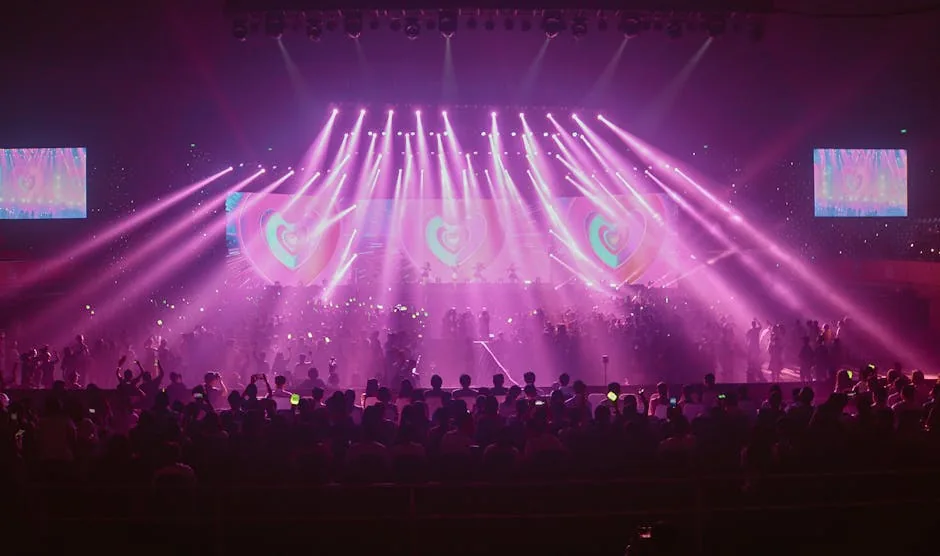
Featured A — Cube Entertainment HQ (Sinsa, Gangnam-gu)
Cube Entertainment occupies a low-rise office building at 8 Apgujeong-ro 4-gil, Gangnam-gu, in the Sinsa neighbourhood at the southern end of the Apgujeong cluster. The label houses (G)I-DLE, PENTAGON, BTOB, and a small slate of additional acts, and the building reads as the most accessible of the major-label HQ visits at the urban-fabric level — Sinsa-dong sits inside a walkable cafe-and-boutique district rather than at the secure-perimeter office-tower scale that defines the HYBE or YG buildings. Access is exterior only for general fan visits; the Cube Studio Tour requires advance appointment and is not consistently available to international fans. Operating hours are business hours for exterior visits; the building is free to view. The neighbourhood reads coherently as a half-day fan-walk: Cube HQ, then the Apgujeong-rodeo cafe corridor, then the K-Star Road sculpture trail that begins three blocks east, then a Cheongdam-dong dinner. For the family-travelling reader whose itinerary includes a (G)I-DLE-focused fan, Cube is the single Seoul building they will want to photograph, and the Sinsa location pairs cleanly with the broader Gangnam-side fan-and-cafe walk this guide treats as the most efficient single-day fan circuit. Language signage is Korean, English, and Japanese at the building level. Source: Cube Entertainment official site, VisitKorea.
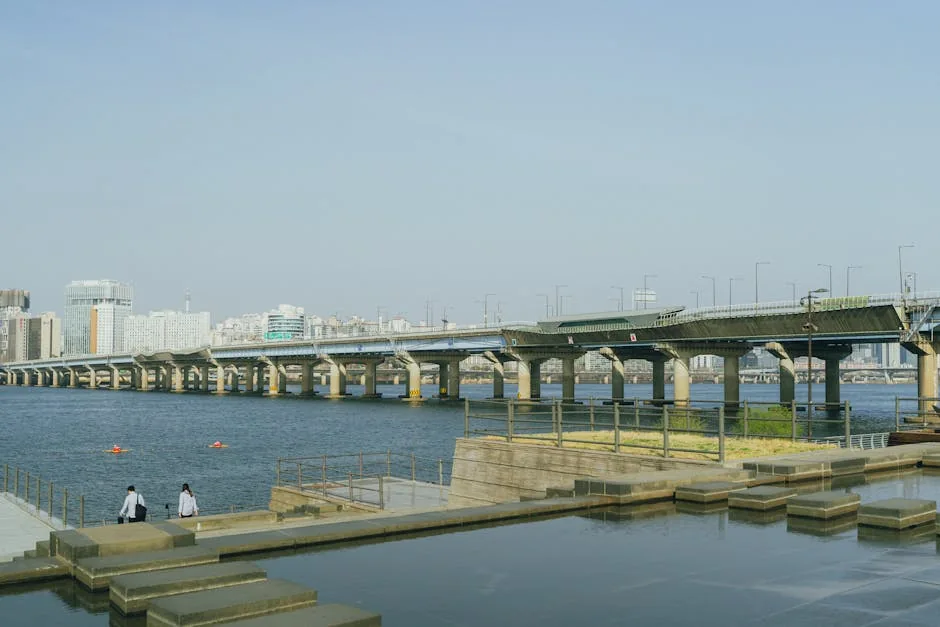
Featured B — HYBE Headquarters (Yongsan, Hangangno)
HYBE Headquarters occupies the company's flagship office tower at 42 Hangang-daero, Yongsan-gu, in the Hangangno corridor immediately north of Yongsan Station. The label cluster housed here is the most internationally significant in the current K-pop landscape: BTS as the founding act, plus TXT, SEVENTEEN, NewJeans, LE SSERAFIM, and the broader ENHYPEN and ILLIT footprint across HYBE Labels. The building itself reads as a corporate-architecture statement piece — glass-and-steel verticality at the secure-perimeter scale, with a tightly controlled lobby photo zone during business hours that fans queue for at peak fan-tourism windows. The HYBE INSIGHT museum that operated in the lower floors through 2023 has closed permanently, which is the most frequently outdated piece of information in older fan-tourism guides; current visits are exterior-and-lobby only, with merchandise routed through the Weverse Shop online platform rather than through any retail presence at the building itself. Operating hours for the photo lobby track standard business hours, and the building is free to view. The Yongsan location places HYBE adjacent to the Yongsan rising-entertainment district and within a 10-minute taxi ride of the Hannam-dong cultural cluster covered elsewhere in this directory. For the family-travelling reader with a BTS-army fan in the group, HYBE is the single non-negotiable Seoul stop, and the visit pairs naturally with a Yongsan Family Park afternoon or with a National Museum of Korea cultural-tourism day on the same Yongsan anchor. Source: HYBE Corporation official site, VisitKorea.
Featured C — JYP Entertainment HQ (Gangdong-gu, Seongnae)
JYP Entertainment occupies a purpose-built headquarters at 205 Olympic-ro, Gangdong-gu, in the Seongnae-dong neighbourhood near Olympic Park. The label houses TWICE, Stray Kids, ITZY, NMIXX, and the broader DAY6 and 2PM alumni footprint, and the building reads as the most architecturally distinctive of the major-label HQs — a curved-volume office-and-studio block with a cafe element inside that operates for staff and contracted visitors rather than general fan walk-in. Access for general fans is exterior viewing during business hours; the cafe is not consistently open to non-staff visitors and should not be the planning anchor for a fan-tourism day. The Gangdong-gu location places JYP outside the central Gangnam-and-Apgujeong fan-tourism cluster, which means a JYP visit typically reads as a dedicated half-day rather than as a stop on a broader fan-walk; the Olympic Park grounds adjacent to the building are a 30-minute walking-and-photography circuit that pairs naturally with the JYP photo, and the broader Songpa-gu district reads as a calmer alternative to the dense Gangnam fan corridor. For the family-travelling reader with a TWICE or Stray Kids fan in the group, JYP is the destination that justifies a dedicated subway trip across the city; for groups whose primary fan interest is elsewhere, JYP can be deprioritised in favour of the Gangnam-cluster destinations. Operating hours are business hours; the building is free to view. Source: JYP Entertainment official site, VisitKorea.
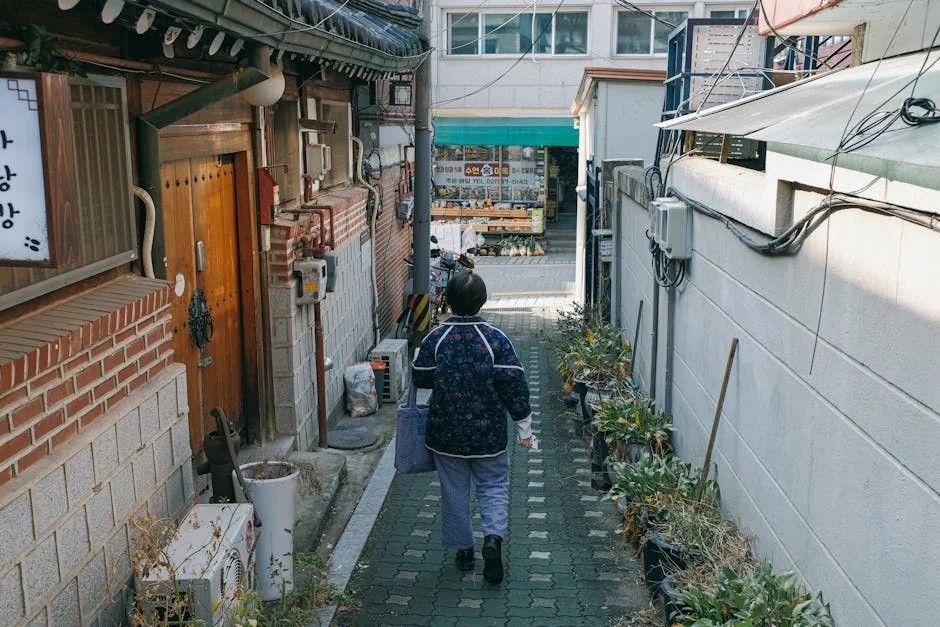
Featured D — K-Star Road (Apgujeong → Cheongdam, Gangnam-gu)
K-Star Road runs along Apgujeong-ro 11-gil through to the Cheongdam-dong cluster in Gangnam-gu, and reads as the single highest-density free K-pop fan experience in central Seoul. The trail consists of large-scale GangnamDol artist-bear sculptures lining the pedestrian sidewalk between Apgujeong Station and Cheongdam Station — each sculpture is dedicated to a specific K-pop artist or group, and the trail's mid-2026 inventory covers BTS, EXO, TWICE, BLACKPINK, Super Junior, Girls' Generation, SHINee, and approximately twenty additional acts across the roughly one-kilometre walking corridor. Access is 24-hour outdoor and free, which is unusual for a fan-tourism experience at this density and is one of the reasons the trail sits on most serious Seoul fan-tourism itineraries. Language signage is Korean, English, Japanese, and Mandarin at each sculpture base. The walking-corridor location reads coherently as the spine of a Gangnam-side fan day: K-Star Road through the middle, with Cube Entertainment at the western end of the cluster, the broader Apgujeong-rodeo cafe corridor as the lunch stop, and the COEX library to the south-east as the indoor evening anchor. For the family-travelling reader whose itinerary includes a multi-artist fan in the group, K-Star Road is the single Seoul destination that delivers the broadest fan-photo footprint per hour of walking, and the cost-free nature of the experience reads as one of the more generous outdoor cultural-tourism propositions in the major East Asian capitals. Source: VisitKorea, English Seoul tourism portal.
Featured E — Line Friends Square (Seocho-gu, Gangnam Station)
Line Friends Square occupies the Line Friends flagship retail building at 454 Gangnam-daero, Seocho-gu, immediately above Gangnam Station and inside the central Gangnam shopping cluster. The store is the BT21 BTS-collaboration merchandising flagship in Seoul — the BT21 line is the official Line Friends-and-BTS character partnership, and the Gangnam flagship operates as the most internationally trafficked BT21 retail point in the country. The store layout combines retail floor and dedicated character photo zones, which fans typically use for the Insta-fan-tourism documentation that ARMY-segment travellers prioritise. Operating hours are 11:00 to 22:00 daily, and entry is free with merchandise priced variably across the BT21 character line and the broader Line Friends slate. The Gangnam Station location places Line Friends inside the highest-density Seoul transit-and-retail cluster, and the visit pairs almost automatically with a Gangnam-area dinner, a Garosu-gil cafe afternoon, or a Sinsa-dong walking circuit. Language support is the most comprehensive of the K-pop destinations in this guide: Korean, English, Japanese, and Mandarin staff fluency at the customer-service desk plus full multilingual signage. For the family-travelling reader with a BTS fan in the group, Line Friends Square is the indoor air-conditioned retail anchor that complements the outdoor K-Star Road walk and the secure-perimeter HYBE photo visit; the trio reads as the most efficient single-day BTS-fan circuit in Seoul. Source: Line Friends official site, VisitKorea.
Featured F — SM Entertainment HQ (Seongdong-gu, Seongsu)
SM Entertainment occupies its current headquarters at 83 Wangsimni-ro, Seongdong-gu, in the Seongsu cafe-and-creative district north-east of central Seoul. The building — frequently referred to as Acen Tower in current operational documentation — has been SM's primary corporate location since the post-2021 relocation from the older Apgujeong site, and the label cluster housed here is the most historically significant in the K-pop landscape: aespa, NCT and its sub-units, Red Velvet, RIIZE, plus the broader Super Junior, Girls' Generation, EXO, SHINee, and BoA alumni footprint that defines the SM Town artist roster. Access for general fans is exterior-and-lobby photos during business hours; the building does not currently operate a dedicated public museum or experience centre, which is a meaningful change from the SMTOWN @ coexartium model that closed in 2020 and that older guides still erroneously reference. The Seongsu location places SM inside one of Seoul's most internationally recognised cafe-and-creative-retail districts — Seongsu has been profiled extensively in the international design and lifestyle press across 2023 to 2025 — and the visit pairs naturally with a Seongsu cafe afternoon, a Ttukseom Han River park walk, or a broader Wangsimni dining evening. For the family-travelling reader with an aespa or NCT fan in the group, the Seongsu SM building is the single non-negotiable Seoul photo, and the cafe-district adjacency reads as one of the more generous fan-tourism contexts in the city. Operating hours are business hours; the building is free to view. Source: SM Entertainment official site, VisitKorea.
Featured G — YG Entertainment HQ (Gangseo-gu, Heojun-ro)
YG Entertainment relocated from its long-time Hapjeong-dong headquarters to a new purpose-built campus at 397 Heojun-ro, Gangseo-gu, in 2023, and the new location is the most frequently outdated piece of information in older fan-tourism guides that still reference the Hapjeong building. The label houses BLACKPINK, TREASURE, BABYMONSTER, and the BIGBANG and 2NE1 alumni footprint that defines YG's historical artist roster. Access for general fans is exterior viewing only at the new Heojun-ro campus; YG operates a more controlled access model than the other major-label HQs and does not consistently maintain a lobby-photo experience for walk-in fans, which is a planning consideration for travellers whose fan-tourism day is anchored around the YG visit. Operating hours are business hours; the building is free to view from the exterior. The Gangseo-gu location places YG in the western half of Seoul, well outside the central Gangnam-and-Apgujeong fan corridor and roughly a 45-minute subway ride from the Gangnam Station fan cluster; a YG-anchored fan day typically reads as a dedicated half-day rather than as a stop on a broader fan-walk. For the family-travelling reader with a BLACKPINK or BIGBANG fan in the group, the Heojun-ro YG campus is the destination that justifies the dedicated trip; for groups whose primary fan interest is elsewhere, the YG visit can be deprioritised in favour of the more central Gangnam-cluster destinations. Source: YG Entertainment official site, VisitKorea.
Seoul K-pop destination category map — how to read the seven entries against your trip
The seven entries above sit across three useful planning categories. Major label headquarters fans treat as pilgrimage sites: HYBE (Yongsan, BTS and label cluster), SM Entertainment (Seongdong-gu, aespa and NCT cluster), JYP (Gangdong-gu, TWICE and Stray Kids cluster), YG (Gangseo-gu, BLACKPINK and BIGBANG cluster), Cube (Sinsa, (G)I-DLE cluster). Outdoor free fan-photo destinations: K-Star Road in Apgujeong-to-Cheongdam (twenty-plus artist sculptures along a one-kilometre walking corridor), which carries no admission cost and no time restrictions. Indoor retail-and-merchandise flagships: Line Friends Square at Gangnam Station (BT21 BTS-collaboration retail anchor). The family-travelling reader should typically build the trip around the specific artist or label the fan in the group cares most about, then add the centrally-located free destinations as opportunistic walking-corridor stops. A BTS-army-led trip naturally anchors on HYBE plus Line Friends Square plus K-Star Road; an aespa-led trip anchors on SM Seongsu plus K-Star Road plus the Gangnam-side cafe corridor; a BLACKPINK-led trip will require the dedicated Gangseo-gu YG trip plus the K-Star Road BLACKPINK-sculpture photo. Single-day fan visitors should typically prioritise no more than two label HQs plus one or two of the free corridor destinations rather than attempting to chain four or five HQs across a single afternoon.
Geography and transit pacing across the seven entries
The seven entries cluster across four Seoul geographic anchors. Central Gangnam-Apgujeong cluster: Line Friends Square at Gangnam Station, K-Star Road from Apgujeong to Cheongdam, Cube Entertainment at Sinsa. The three sit within a roughly two-kilometre walking corridor and pair as a single coherent fan-walk afternoon. Yongsan anchor: HYBE Headquarters at Hangangno, which pairs with the Yongsan Family Park-and-National Museum of Korea cultural-tourism cluster covered elsewhere in this directory. Seongdong-Seongsu anchor: SM Entertainment at Wangsimni-ro, which pairs with the Seongsu cafe district and is reachable from central Seoul on subway Line 2 in roughly 20 minutes from City Hall. Outer-Seoul anchors requiring dedicated trips: JYP in Gangdong-gu (Olympic-ro), YG in Gangseo-gu (Heojun-ro). Each is a 30-to-45-minute subway ride from the central Gangnam cluster and reads as a half-day commitment rather than as a quick add-on. The family-travelling reader should plan no more than one outer-Seoul HQ visit per day and chain the central-cluster destinations together. Subway access is the most efficient option for all seven destinations; English signage and announcements are reliably high across the Seoul Metro system.
What is no longer there — the closed SMTOWN @ coexartium experience
Older Seoul K-pop fan-tourism guides regularly reference the SMTOWN @ coexartium experience centre that operated in the COEX complex in Gangnam-gu through 2020. The facility was the most internationally trafficked SM-artist fan-tourism destination in Seoul during its decade-long operation and offered ticketed access to artist exhibits, hologram performance content, and a dedicated SM-retail floor. The facility closed permanently in 2020, has not been replaced by any equivalent SM public-experience venue, and is one of the most consistently outdated pieces of information in fan-tourism guides that have not been updated against current operator-direct listings. The current SM-fan equivalent is the Seongsu corporate headquarters exterior visit plus the broader Starfield COEX Library cultural-tourism stop covered elsewhere in this directory. Readers planning trips against older guides should verify any SMTOWN @ coexartium reference against current operator-direct status before building it into a fan-tourism itinerary; the facility no longer exists as a fan destination.
Reservation and access logistics across the seven entries
Reservation logistics across the seven entries fall into three patterns. No reservation needed and 24-hour access: K-Star Road (outdoor walking trail). Walk-in retail with no reservation but operating-hours restrictions: Line Friends Square at Gangnam Station (11:00 to 22:00 daily). Exterior viewing during business hours with no formal reservation: HYBE, SM Entertainment, JYP, YG, Cube. None of the major-label HQs currently operates a public museum or paid-experience facility on the SMTOWN @ coexartium model that defined the previous decade of K-pop fan tourism; the current model is exterior-photo and lobby-photo access only, with merchandise routed through online platforms (Weverse, Ktown4U, the label-specific online stores) rather than through retail at the buildings themselves. The Cube Studio Tour requires advance appointment and is not consistently available to international fans on a walk-up basis. The family-travelling reader's fan-tourism day plan should treat the label HQ visits as photo-and-exterior stops rather than as ticketed-experience anchors, and should anchor the retail-and-merchandise activity on Line Friends Square plus the online Weverse Shop platform for HYBE artists or the equivalent label-specific online retail for non-HYBE acts.
“Seoul's K-pop label HQ landscape is, in mid-2026, an exterior-photo geography rather than a ticketed-experience one; the family-travelling reader should plan the fan day around outdoor walking corridors and one or two label-building photo stops rather than chaining indoor experience centres.”
Frequently asked questions
Which of these seven K-pop destinations is the single most-recommended visit for a first BTS-army fan-tourism trip?
HYBE Headquarters at 42 Hangang-daero in Yongsan is the most consistently recommended single visit for a first BTS-army fan trip — the building is the corporate home of the BTS-and-label cluster and the lobby photo zone is the most internationally trafficked BTS-fan-tourism stop in Seoul. The visit pairs naturally with Line Friends Square at Gangnam Station for the BT21 retail anchor, and with a K-Star Road walk for the outdoor BTS-sculpture photo. The three-stop circuit reads as the most efficient single-day BTS-army fan plan in the city.
How many K-pop HQ visits should the family-travelling reader fit into a week-long Seoul trip?
Two to four K-pop destinations across a week-long Seoul trip is the realistic upper bound for family-travelling readers, with no more than two label HQs in a single day. The editorial recommendation is to anchor the fan-tourism plan on the specific artist or label the fan in the group cares most about, add the central-Gangnam free destinations (K-Star Road, Line Friends Square) as walking-corridor add-ons, and treat any outer-Seoul HQ visit (JYP in Gangdong, YG in Gangseo) as a dedicated half-day rather than as a quick add-on.
How accessible is Seoul's K-pop infrastructure for international visitors with limited Korean-language ability?
Seoul's flagship K-pop destinations maintain reliable multilingual support: Line Friends Square offers Korean, English, Japanese, and Mandarin staff fluency at the customer-service desk; K-Star Road signage is Korean, English, Japanese, and Mandarin at each sculpture base; the HYBE, SM, JYP, YG, and Cube buildings offer Korean and English signage at the exterior level. The friction-free experience for English-only visitors is reliably high across the seven entries above. The Seoul Metro subway system offers English signage and English audio announcements at every station relevant to the seven destinations.
Has the SMTOWN @ coexartium experience centre closed, and what is the current SM-fan equivalent in Seoul?
Yes — SMTOWN @ coexartium closed permanently in 2020 and is no longer a fan-tourism destination, which is one of the most frequently outdated pieces of information in older Seoul K-pop guides. The current SM-fan equivalent in Seoul is the SM Entertainment corporate headquarters at 83 Wangsimni-ro in Seongdong-gu — exterior-and-lobby photos during business hours — paired with the broader Starfield COEX Library cultural-tourism stop in the Samseong-dong COEX complex, which sits on the former SMTOWN building footprint.
Are any of these K-pop destinations located near major Seoul medical-tourism clinic clusters?
Yes. The central Gangnam cluster — Line Friends Square at Gangnam Station, K-Star Road through Apgujeong, Cube Entertainment in Sinsa — sits inside the highest-density Seoul medical-tourism clinic corridor that international patients commonly walk during recovery days. The Yongsan anchor — HYBE Headquarters at Hangangno — sits adjacent to the Hannam-dong and Itaewon medical-tourism logistics corridor covered elsewhere in this directory. The Seongdong-Seongsu anchor — SM Entertainment at Wangsimni-ro — pairs with the Seongsu cafe district as a recovery-friendly walking corridor. The family-travelling reader's clinic-day and fan-day plans can typically integrate at the neighbourhood level without long cross-city transfers.
What is the editorial position on visiting K-pop fan destinations during the active-treatment days of a regenerative-dermatology IV course?
Fan-tourism days fit naturally into the recovery and follow-up window of a Korean regenerative-dermatology trip rather than into the active-treatment days. The IV course itself, the microneedling session, and the immediate 24-hour post-treatment window typically warrant rest and low-stimulation environments rather than full walking days. The editorial recommendation is to cluster the K-Star Road outdoor walking corridor and the major HQ-photo visits in the latter half of the trip — days four through seven of a five-to-seven-day Seoul-anchored regenerative plan — when the topical-aftercare protocol is the dominant clinical activity and the patient is comfortable with extended walking and sun exposure with appropriate SPF discipline. The Line Friends Square indoor retail visit is the lowest-exertion option and fits earlier recovery days. The senior physician administering the treatment should be consulted on day-by-day activity intensity.
Are any of these seven destinations particularly recommended for multi-generational family groups?
K-Star Road and Line Friends Square read most accessibly across age ranges — both deliver visible photo-and-character content that works for grandchildren, teenagers, and adult fans at the same density, with low walking-exertion requirements and reliable multilingual signage. The major label HQ photos (HYBE, SM, JYP, YG, Cube) read better for the fan-led member of the group than for non-fan grandparents or partners; the editorial recommendation for multi-generational visits is to pair the HQ stop with a neighbourhood cafe or cultural anchor that serves the non-fan members. Cube and SM in particular sit inside cafe-and-creative districts (Sinsa, Seongsu) that absorb a non-fan family member comfortably during the photo stop.
Where can the family-travelling reader find more on Korean regenerative dermatology and itinerary context that pairs with this Seoul K-pop guide?
Korea Stem Cell publishes editorial coverage of Korean regenerative-dermatology clinics and supplier landscape at the country level. For the family-tourism planning frame including multi-city itineraries and recovery-day pacing, see <a href="/family-medical-tourism-stem-cell/">family medical-tourism stem cell planning</a>. For the pricing geography, see <a href="/stem-cell-pricing-korea-by-tier/">Korea stem cell pricing by tier</a>. For multi-day aftercare scheduling that integrates fan-tourism days, see <a href="/stem-cell-korea-aftercare-multi-day/">Korea aftercare multi-day plans</a>. For the museum and cultural-tourism complement to this K-pop guide, see <a href="/best-museums-seoul/">ten Seoul museums</a>.