Editorial Picks
5 One-Day Itineraries for Medical Tourists in Seoul
A countrywide editorial pick of five recovery-friendly half-day Seoul itineraries — indoor-heavy palace and museum routes, art-and-cafe walking corridors, climate-controlled mall days, hanok tea houses, and full-rest hotel-spa anchors — framed for the family-travelling international patient planning post-procedure days into a Korean regenerative-dermatology trip.
The international visitor guide to Seoul's day-tripping landscape defaults, in the overwhelming majority of cases, to a generic 'top ten Seoul attractions' list and treats the recovery-friendly question — how a patient who has just had an exosome IV course or a microneedling session on the previous day should actually spend the following afternoon — as outside its remit. The default is defensible at the convenience level; the typical Seoul tourist is not navigating the post-procedure pacing constraints this directory's readership encounters. The default fails, however, at the planning level, because the family-travelling international patient I write for is increasingly building Korean medical-tourism itineraries that fold three to five cultural-and-walking days into the post-procedure window, and those days benefit materially from a recovery-tuned itinerary guide rather than from a generic attractions list. This page reads five Seoul half-day itinerary suggestions across three useful planning categories: indoor-heavy cultural routes that minimise sun exposure and direct walking exertion (the palace mini-tour and the COEX indoor day), low-exertion stylish corridors that balance some walking with sit-down rest points (the Hannam art triangle and the Bukchon tea house crawl), and full-rest hotel-day options for the earliest post-procedure days when zero outdoor exertion is the correct plan. All five itineraries have been built against current Korea Tourism Organization, Visit Seoul, and operator-direct listings. Operational details reflect mid-2026 status. The editorial position is descriptive rather than ranked; the order below is alphabetical within the featured set, and the right combination for any given trip depends on the patient's specific procedure, the recovery day of the trip in question, the family-group composition, and the indoor-versus-outdoor balance the senior physician administering the treatment has advised.
Featured A — Bukchon Tea House Crawl (Jongno-gu, Bukchon Hanok Village)
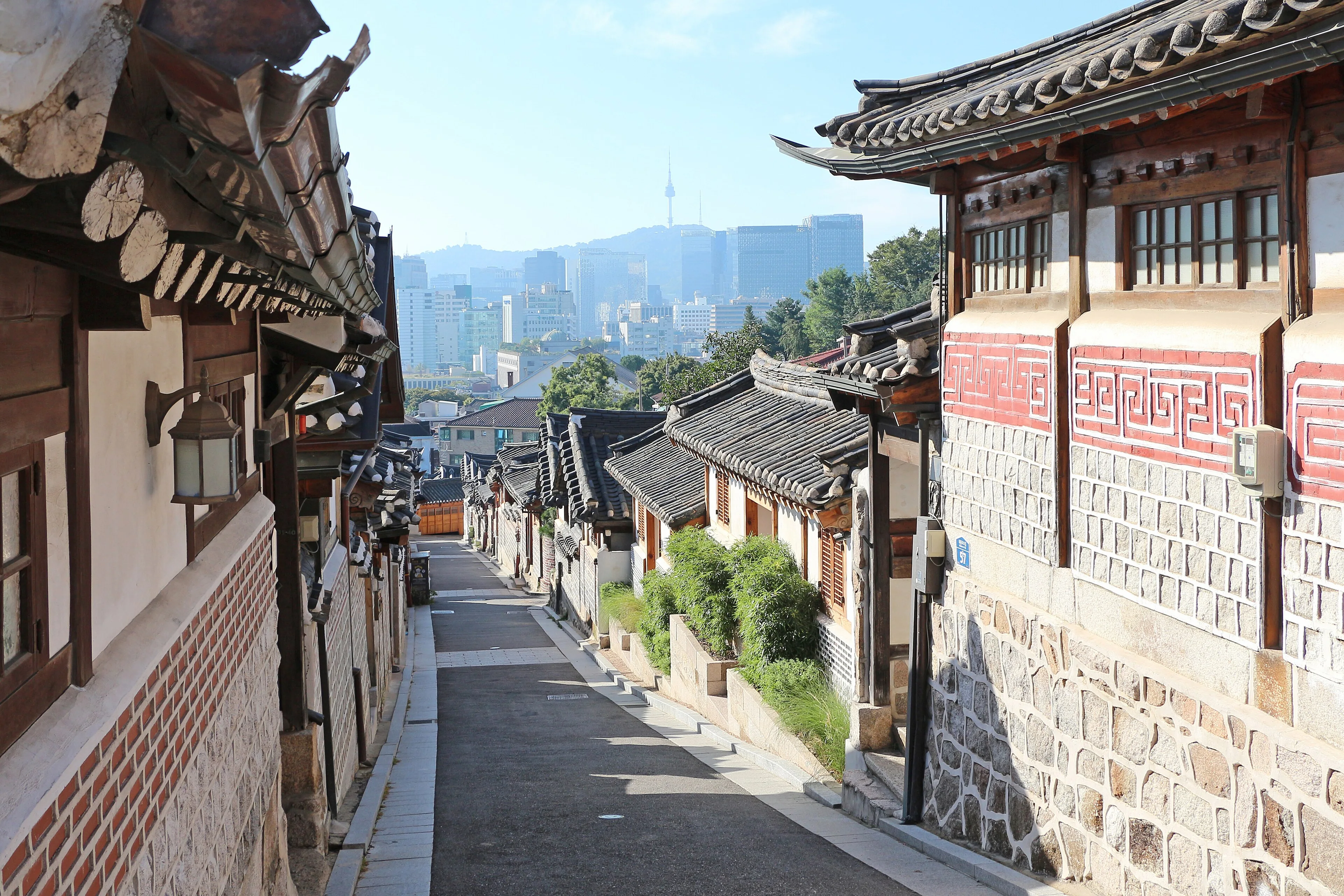
The Bukchon Tea House Crawl threads four to six traditional hanok-style tea houses across the Bukchon Hanok Village neighbourhood in Jongno-gu, with the anchor venues at Cha Masineun Tteul, Suyeon Sanbang, and the broader Bukchon-ro tea corridor. The itinerary is built around traditional Korean tea service — slow-poured ssanghwa-cha, omija-cha, citron tea, ginger tea — and small-plate Korean confectionery, with each tea house typically holding visitors for 30 to 60 minutes at the leisurely service pace that defines the hanok tea tradition. Operating hours run roughly 11:00 to 21:00 across the cluster, with individual tea houses varying. Pricing runs KRW 8,000 to 15,000 (approximately USD 6 to USD 11) per tea-and-dessert pairing per person. The Bukchon location places the tea houses inside one of the most architecturally consistent walking corridors in central Seoul; the neighbourhood's narrow hanok-lined lanes are themselves the primary reason for the visit, with the tea houses functioning as the structured sit-down rest points across the walk. Language support is Korean, English, Japanese, and Mandarin at the major venues; smaller tea houses tend to offer Korean and English signage at the menu level. The recovery-friendly profile is among the strongest in this guide: traditional tea is non-stimulating, the walking corridor is genuinely flat at the hanok-village scale (though the broader Bukchon area has some incline), sun exposure is low at the canopy-shaded lane level, and the slow tea-service tempo enforces the rest-pace pattern that day five through seven of a regenerative-dermatology trip benefits from. Source: VisitKorea, Time Out Seoul.
Featured B — Hannam Art Triangle Walk (Yongsan-gu, Hannam-dong)
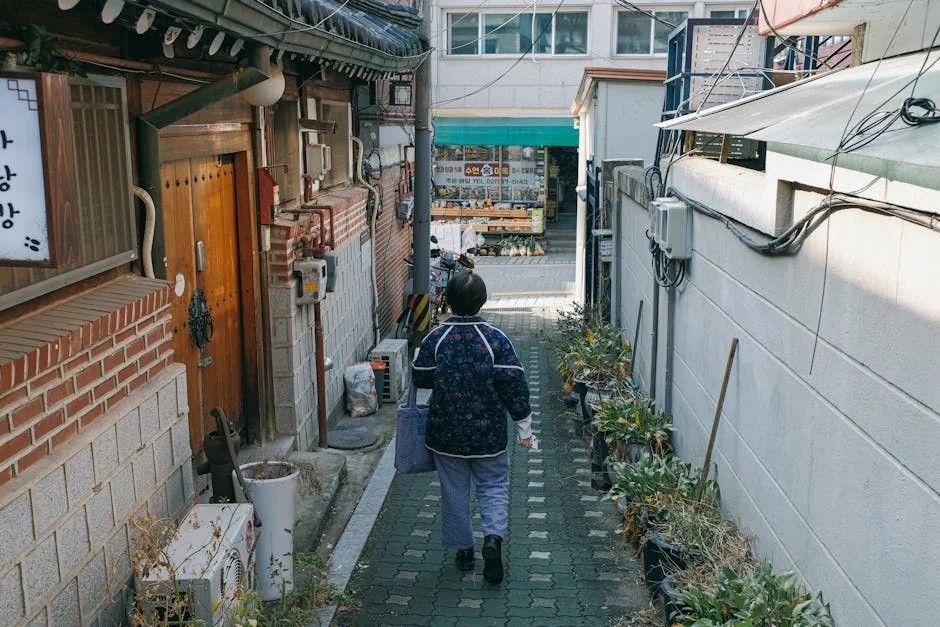
The Hannam Art Triangle threads three anchor stops across the Hannam-dong neighbourhood in Yongsan-gu: the Leeum Museum of Art permanent collection, the Sounds Hannam designer-retail-and-bookshop complex, and the broader Hannam Cafe Street brunch corridor. The itinerary is built around contemporary art, designer retail, and stylish indoor dining — with the Leeum permanent collection requiring advance online reservation typically 7 to 14 days ahead during peak tourism seasons but otherwise free, the Sounds Hannam complex operating without admission cost across its retail and cafe floors, and the cafe-street brunch venues running KRW 25,000 to 45,000 (approximately USD 18 to USD 32) per cafe meal per person. Operating hours span 10:00 to 18:00 at the Leeum, 10:00 to 22:00 across the Sounds Hannam complex, and 09:00 to 22:00 across the cafe corridor. The half-day pacing reads as three to five hours of slow walking with multiple sit-down rest points; the corridor is compact and well-shaded, with sun exposure minimal during the indoor museum and retail visits. Language support is Korean and English primary, with Japanese and Mandarin support at the Leeum audio-guide level. The Hannam location places the itinerary near the Yongsan medical-tourism logistics corridor covered elsewhere in this directory and within a 15-minute taxi ride of the central Itaewon dining cluster. The recovery-friendly profile reads strongest for day five through seven of a regenerative trip, when the patient is comfortable with extended indoor walking and the topical-aftercare protocol benefits from the cafe-rest-stop pacing this corridor enforces. Source: Leeum Museum official site, VisitKorea.
Featured C — Royal Palace Mini-Tour, Indoor-Heavy Version (Jongno-gu, Sejong-ro)
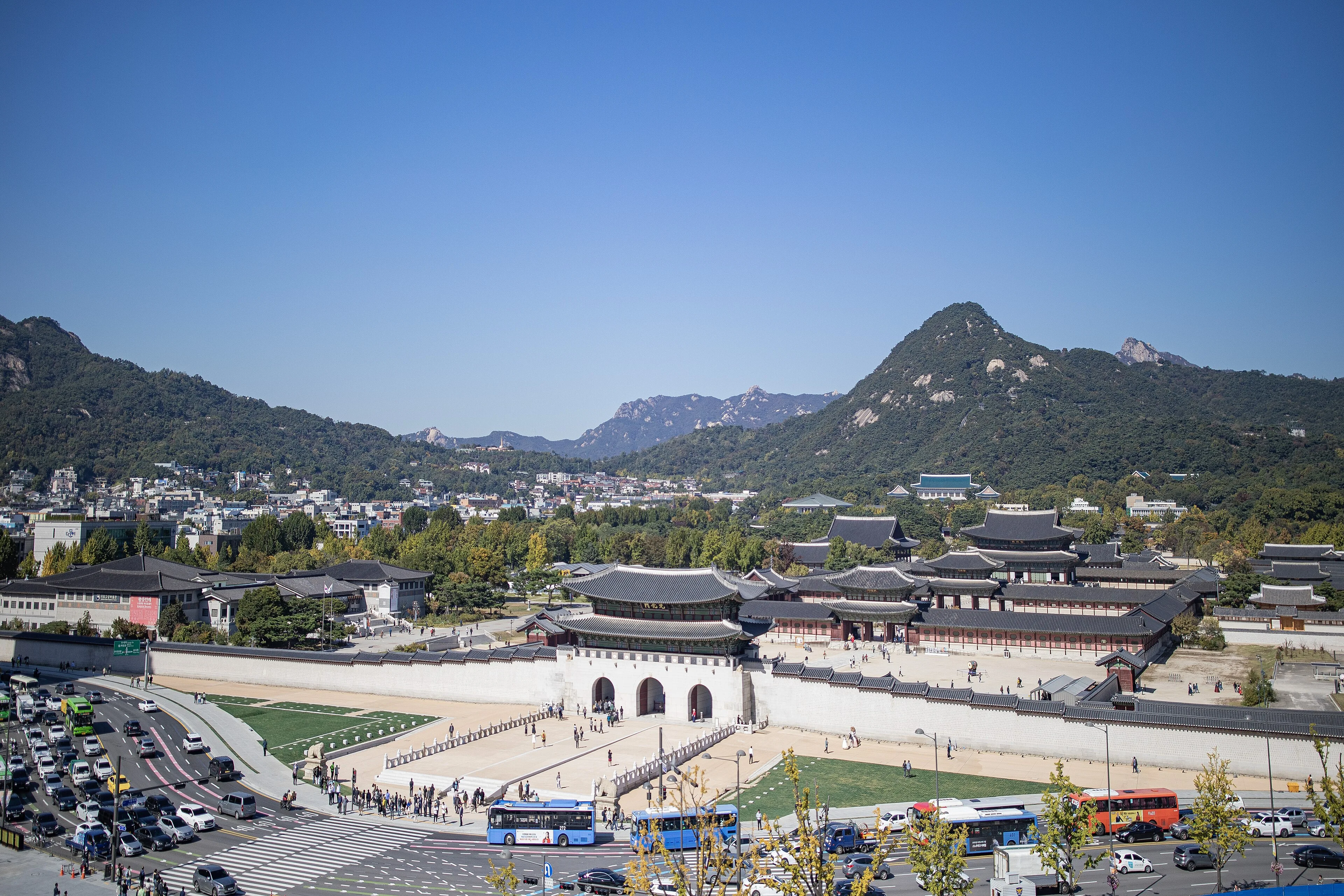
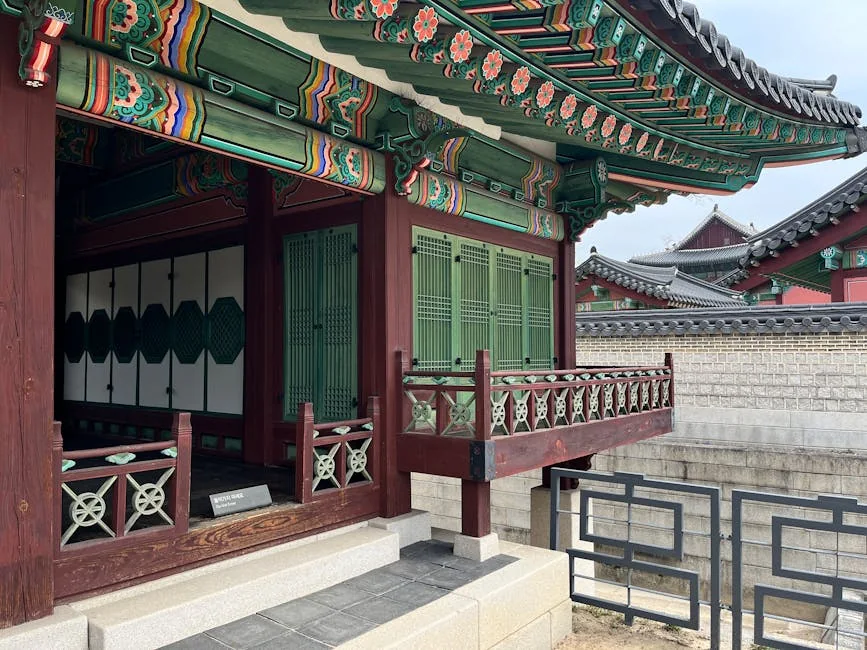
The Royal Palace Mini-Tour threads three anchor stops on the Gyeongbokgung Palace grounds in Jongno-gu: the palace itself, the National Folk Museum of Korea housed in a dedicated building on the palace grounds, and the National Palace Museum at the southern edge of the palace complex. The itinerary is built around the heritage-cultural orientation that defines the Korean royal-palace tradition, but the indoor-heavy structure of this particular version routes the visitor through the two museum buildings rather than across the full outdoor palace grounds — which is the recovery-friendly distinction from the standard Gyeongbokgung walking tour that most general guides feature. Admission runs KRW 3,000 (approximately USD 2) for the palace ticket; the two museums are free, which is unusual for national-museum-grade collections at this scale. Operating hours run 09:00 to 18:00 in winter and 09:00 to 19:00 in summer, closed New Year's Day. The half-day pacing reads as three to four hours across the three anchor stops; the indoor museum buildings are climate-controlled, well-lit, and offer multiple sit-down rest points across the gallery floors. Language support is Korean, English, Japanese, and Mandarin audio guides at all three sites — the most comprehensive multilingual support in this guide. The Sejong-ro location places the itinerary at the central Seoul cultural-tourism core, with Gwanghwamun Square and the broader Jongno walking corridor immediately adjacent. The recovery-friendly profile reads strongest for day three through five of a regenerative-dermatology trip, when the indoor-heavy structure minimises direct walking and direct sun exposure while still delivering meaningful cultural-tourism content. Source: National Folk Museum official site, VisitKorea.
Featured D — Starfield COEX Indoor Day (Gangnam-gu, Samseong-dong)
The Starfield COEX Indoor Day threads four anchor stops across the COEX complex at 513 Yeongdong-daero in Gangnam-gu: the Byeolmadang Library that has been profiled extensively across international design press, the COEX Aquarium, the Starfield Library's adjacent rotating cultural-tourism exhibits, and the duty-free retail floor that serves the international shopping segment. The itinerary is entirely indoor and entirely climate-controlled — which is the recovery-friendly distinction that places this day at the top of this guide's indoor-heavy category. Pricing varies across the four anchors: the Byeolmadang Library is free, the COEX Aquarium runs KRW 33,000 (approximately USD 24) per adult ticket, the rotating exhibits run KRW 10,000 to 25,000 (approximately USD 7 to USD 18), and the duty-free shopping floor is free admission. Operating hours run 10:00 to 22:00 daily across most anchors, with individual exhibits and the aquarium varying. The half-day pacing reads as four to six hours across the four anchors, with multiple food-court rest points distributed across the complex floor plan and a roughly 1.5-kilometre walking footprint that the air-conditioned environment makes substantially less taxing than outdoor equivalents. Language support is the most comprehensive of the five itineraries in this guide: Korean, English, Japanese, and Mandarin signage and staff fluency across the major anchors. The Samseong-dong location places COEX inside the central Gangnam fan-and-cultural-tourism corridor covered elsewhere in this directory, with the Seven Luck Casino, the Megabox cinema complex, and the COEX Convention Center cluster sitting under the same Starfield roof. The recovery-friendly profile reads strongest for day three through five of a regenerative-dermatology trip when the family group includes children or multi-generational members for whom the indoor-controlled-environment day delivers the best activity-density-per-exertion-unit ratio. Source: Starfield official site, VisitKorea.
Featured E — Yeongdong-daero Boutique Hotel Spa Day (Gangnam-gu / Songpa-gu)
The Yeongdong-daero Boutique Hotel Spa Day is a single-anchor full-day itinerary at one of the five-star hotels along the central Gangnam-and-Songpa corridor: Park Hyatt Seoul on Teheran-ro, Josun Palace Seoul Gangnam on the Gangnam-daero spine, the Signiel Seoul atop Lotte World Tower in Songpa-gu, or the Grand InterContinental Seoul Parnas at the COEX complex. The itinerary is built around the hotel day-pass model — spa access, indoor pool access, fitness centre access, and room service or in-house restaurant booking — with no outdoor or off-property requirement across the full day. Pricing runs KRW 350,000 to 1,200,000 (approximately USD 250 to USD 860) per person across the spa-plus-room-service-plus-day-pass combination, depending on the hotel selected and the spa treatment-or-pool-only configuration; the Signiel and Park Hyatt sit at the upper end of the range, and the Josun Palace Seoul Gangnam and Grand InterContinental Parnas read as the mid-range options. Operating hours are full-day in-hotel with no time constraint beyond the day-pass validity. Language support is the most reliable of the five itineraries in this guide: Korean, English, Japanese, and Mandarin staff fluency across the front-desk, concierge, spa, and dining surfaces, which the family-travelling reader will recognise as the typical multilingual standard at international five-star hotels in the major East Asian capitals. The recovery-friendly profile reads strongest for day one through three of a regenerative-dermatology trip — the earliest post-procedure window when zero outdoor exertion is the correct plan, when topical-aftercare protocols benefit from the climate-controlled in-room environment, and when the senior physician administering the treatment has advised rest-pace pacing. The hotel-day model also reads well for the day before international departure, when the patient wants the trip's final day routed through a low-stimulation airport-adjacent rest stop rather than through a final shopping or sightseeing afternoon. Source: Park Hyatt Seoul official site, Lotte Hotel Signiel official site.
Recovery-day category map — how to read the five itineraries against your procedure timeline
The five itineraries above sit across three useful planning categories. Day one through three (earliest post-procedure window, zero outdoor exertion advised): the Yeongdong-daero Boutique Hotel Spa Day is the single most-recommended option, with the full-day in-hotel structure matching the rest-pace pacing that the active-treatment window requires. Day three through five (mid-recovery, indoor-heavy outdoor exposure tolerable): the Royal Palace Mini-Tour and the Starfield COEX Indoor Day are the recommended options, with both routing the patient through climate-controlled indoor environments that deliver cultural-tourism content without the direct walking exertion the earliest days cannot accommodate. Day five through seven (later recovery, slow walking with rest points tolerable): the Hannam Art Triangle Walk and the Bukchon Tea House Crawl are the recommended options, with both delivering low-exertion stylish corridors that balance some walking with structured sit-down rest stops at the cafe-or-tea-house cadence. The family-travelling reader should typically build one itinerary per recovery day rather than chaining two into a single day, and should treat the senior physician's day-by-day activity-intensity guidance as the binding constraint rather than the itinerary catalogue as a checklist to complete. The strongest single trip pattern combines a day-one or day-two hotel spa anchor, a day-three or day-four palace or COEX indoor day, and a day-five or day-six Hannam or Bukchon walking corridor — the three-anchor pattern reads as the most coherent post-procedure cultural-tourism arc this directory has observed across the family-travelling readership.
Pricing geography across the five itineraries
Pricing across the five itineraries reflects three tiers, which the family-travelling reader can use as a budget-planning frame for the post-procedure cultural-tourism days. Free or near-free per person: the Royal Palace Mini-Tour (KRW 3,000 palace ticket, museums free; approximately USD 2 total per person), the Bukchon Tea House Crawl (KRW 8,000 to 15,000 per tea-and-dessert pairing; approximately USD 6 to USD 11 per person), the Hannam Art Triangle baseline visit (Leeum permanent collection free with online reservation; Sounds Hannam free; the cafe meal additional). Mid-tier per person: the Starfield COEX Indoor Day (KRW 33,000 aquarium plus retail-and-food-court variable; approximately USD 24 to USD 60 per person across the four-anchor day). High-tier per person: the Yeongdong-daero Boutique Hotel Spa Day (KRW 350,000 to 1,200,000 per person at the spa-plus-room-service tier; approximately USD 250 to USD 860 per person depending on the hotel selected). The pricing geography is unusually generous at the cultural-tourism tier — four of the five itineraries deliver substantial half-day content for under USD 30 per person — and is concentrated at the hotel-spa tier, where the family-travelling reader who values the early-recovery zero-exertion option pays materially more. The editorial position on Seoul recovery-day pricing is that the family-travelling reader can build a serious five-day post-procedure cultural-tourism plan, including one hotel-spa anchor day plus three lower-cost cultural-walking days, with a total day-cost budget under USD 1,000 per person — which is materially favourable compared to equivalent recovery-itinerary pricing in Tokyo, Hong Kong, or Singapore.
Logistics, language, and accessibility across the five itineraries
Logistics across the five itineraries fall into three patterns. Walk-in viable with no reservation: the Royal Palace Mini-Tour, the Bukchon Tea House Crawl (individual tea houses; group bookings advised at peak weekends), the Starfield COEX Indoor Day (the Aquarium and ticketed exhibits benefit from online pre-purchase). Online reservation strongly recommended: the Hannam Art Triangle Walk (Leeum permanent-collection slots book out 7 to 14 days in advance during peak tourism seasons), the Yeongdong-daero Boutique Hotel Spa Day (hotel day passes and spa treatments require 24-to-72-hour advance booking, particularly at the Signiel and Park Hyatt at peak windows). The Korea Tourism Organization and Visit Seoul official websites maintain English-language portals for advance ticketing where available, and the major five-star hotels operate English-language reservation channels through their international booking systems. The family-travelling reader should lock the Leeum reservation and the hotel-spa day-pass 7 to 14 days ahead of the Korea arrival, and treat the rest of the itinerary schedule as flexible day-of choices that depend on the senior physician's recovery-pacing guidance and the family group's energy on the day. Language support is reliably high across all five itineraries — Korean and English at the minimum, with Japanese and Mandarin support at the major venues — and the Seoul Metro subway system offers English signage and announcements at every station relevant to the five itineraries above. For mobility-restricted family members, the Starfield COEX Indoor Day and the Yeongdong-daero Boutique Hotel Spa Day read as the most accessible, with elevator access, ground-floor entry, and minimal incline across the floor plans.
“Seoul's recovery-friendly itinerary landscape is unusually generous at the cultural-tourism level and unusually deep at the hotel-spa level; the family-travelling reader can build a complete five-day post-procedure plan that matches every recovery-window from day-one rest through day-seven walking, at total per-person costs that are materially favourable compared to equivalent Tokyo or Hong Kong recovery itineraries.”
Frequently asked questions
Which of these five itineraries is the single most-recommended option for the earliest post-procedure recovery day?
The Yeongdong-daero Boutique Hotel Spa Day is the most consistently recommended option for day one through three of a Korean regenerative-dermatology trip — the full-day in-hotel structure means zero outdoor exertion, the climate-controlled in-room environment supports topical-aftercare protocols, and the multilingual staff fluency at the five-star hotels (Park Hyatt, Josun Palace, Signiel, Grand InterContinental Parnas) makes the day reliably friction-free for international patients. The senior physician administering the treatment should be consulted on day-by-day activity intensity before any of the more active itineraries are scheduled.
How many of these itineraries should the family-travelling reader fit into a week-long Seoul recovery window?
Three to four of the five itineraries across a week-long Seoul recovery window is the realistic upper bound for family-travelling readers, with one itinerary per recovery day rather than chaining two into a single day. The editorial recommendation is to anchor the plan on a day-one or day-two hotel spa, add a day-three or day-four indoor palace or COEX cultural-tourism day, and add a day-five or day-six Hannam or Bukchon walking corridor — the three-anchor pattern reads as the most coherent post-procedure cultural-tourism arc this directory has observed across the family-travelling readership.
How accessible are these itineraries for international visitors with limited Korean-language ability?
The five itineraries maintain high-quality multilingual support across the major venues. The Royal Palace Mini-Tour offers Korean, English, Japanese, and Mandarin audio guides at all three anchor stops. The Starfield COEX Indoor Day offers Korean, English, Japanese, and Mandarin staff fluency and signage. The Hannam Art Triangle offers Korean and English primary with Japanese and Mandarin Leeum audio support. The Yeongdong-daero hotels operate multilingual front-desk and spa surfaces as the international five-star standard. The Bukchon Tea House Crawl offers Korean and English at the menu level with Japanese and Mandarin support at the major venues. The friction-free experience for English-only visitors is reliably high across all five itineraries.
Which itineraries are most architecturally significant for the cultural-tourism reader who plans the trip around the buildings rather than the collections?
The Royal Palace Mini-Tour anchors on Gyeongbokgung Palace — the country's most historically significant royal palace, with the Joseon-period architecture restored across the 1990s and 2000s. The Hannam Art Triangle anchors on the Leeum Museum of Art — a tri-architect collaboration designed by Mario Botta, Jean Nouvel, and Rem Koolhaas. The Bukchon Tea House Crawl is itself a walking tour through the most architecturally consistent hanok-village corridor in central Seoul. The Starfield COEX Indoor Day anchors on the Byeolmadang Library, which has been profiled extensively across international design press. For architecturally-focused recovery days, these four itineraries deliver the strongest building-quality-per-exertion-unit profile.
Are any of these itineraries located near major Seoul medical-tourism clinic clusters?
Yes. The Hannam Art Triangle Walk in Yongsan-gu sits adjacent to the Hannam-dong medical-tourism logistics corridor that international patients commonly walk during recovery days. The Starfield COEX Indoor Day in Gangnam-gu sits inside the central Gangnam clinic corridor — the highest-density Seoul medical-tourism cluster — and pairs cleanly with recovery days where the patient is staying within the Gangnam hotel-and-clinic neighbourhood. The Yeongdong-daero Boutique Hotel Spa Day routes through the same Gangnam-and-Songpa corridor as most Seoul-anchored medical-tourism stays. The Royal Palace Mini-Tour and the Bukchon Tea House Crawl in Jongno-gu sit further from the main clinic clusters but are reachable by subway in 20 to 30 minutes from the Gangnam-and-Yongsan medical-tourism core.
What is the editorial position on building cultural-tourism days into the active-treatment window of a regenerative-dermatology IV course?
Cultural-tourism days fit naturally into the recovery and follow-up window of a Korean regenerative-dermatology trip rather than into the active-treatment days. The IV course itself, the microneedling session, and the immediate 24-hour post-treatment window typically warrant rest and low-stimulation environments rather than full walking or museum days. The editorial recommendation is to cluster the more active itineraries in the latter half of the trip — days four through seven of a five-to-seven-day Seoul-anchored regenerative plan — and to anchor the earliest days (days one through three) on the Yeongdong-daero hotel-spa option. The senior physician administering the treatment should be consulted on day-by-day activity intensity, sun exposure tolerance, and walking-distance constraints.
Are any of these five itineraries particularly recommended for multi-generational family groups?
The Starfield COEX Indoor Day reads most accessibly across age ranges — the indoor air-conditioned floor plan, multiple food-court rest points, the Aquarium that engages children, the Byeolmadang Library that engages adults, and the duty-free retail floor that engages multi-generational shopping interests together deliver the strongest multi-generational profile. The Royal Palace Mini-Tour is also strong for multi-generational visits, particularly the National Folk Museum's traditional material-culture displays that read accessibly across age ranges. The Hannam Art Triangle and the Bukchon Tea House Crawl tend to read better for adult-only or adult-with-teenager groups; younger children may engage less consistently with the contemporary-art-and-tea-service pacing.
Where can the family-travelling reader find more on Korean regenerative dermatology and itinerary context that pairs with these recovery-day plans?
Korea Stem Cell publishes editorial coverage of Korean regenerative-dermatology clinics and supplier landscape at the country level. For the family-tourism planning frame including multi-city itineraries and recovery-day pacing, see <a href="/family-medical-tourism-stem-cell/">family medical-tourism stem cell planning</a>. For the pricing geography, see <a href="/stem-cell-pricing-korea-by-tier/">Korea stem cell pricing by tier</a>. For multi-day aftercare scheduling that integrates these itineraries, see <a href="/stem-cell-korea-aftercare-multi-day/">Korea aftercare multi-day plans</a>. For the museum complement to this guide, see <a href="/best-museums-seoul/">ten Seoul museums</a>. For the fan-tourism complement, see <a href="/best-kpop-hq-tours-seoul/">seven Seoul K-pop fan destinations</a>.